
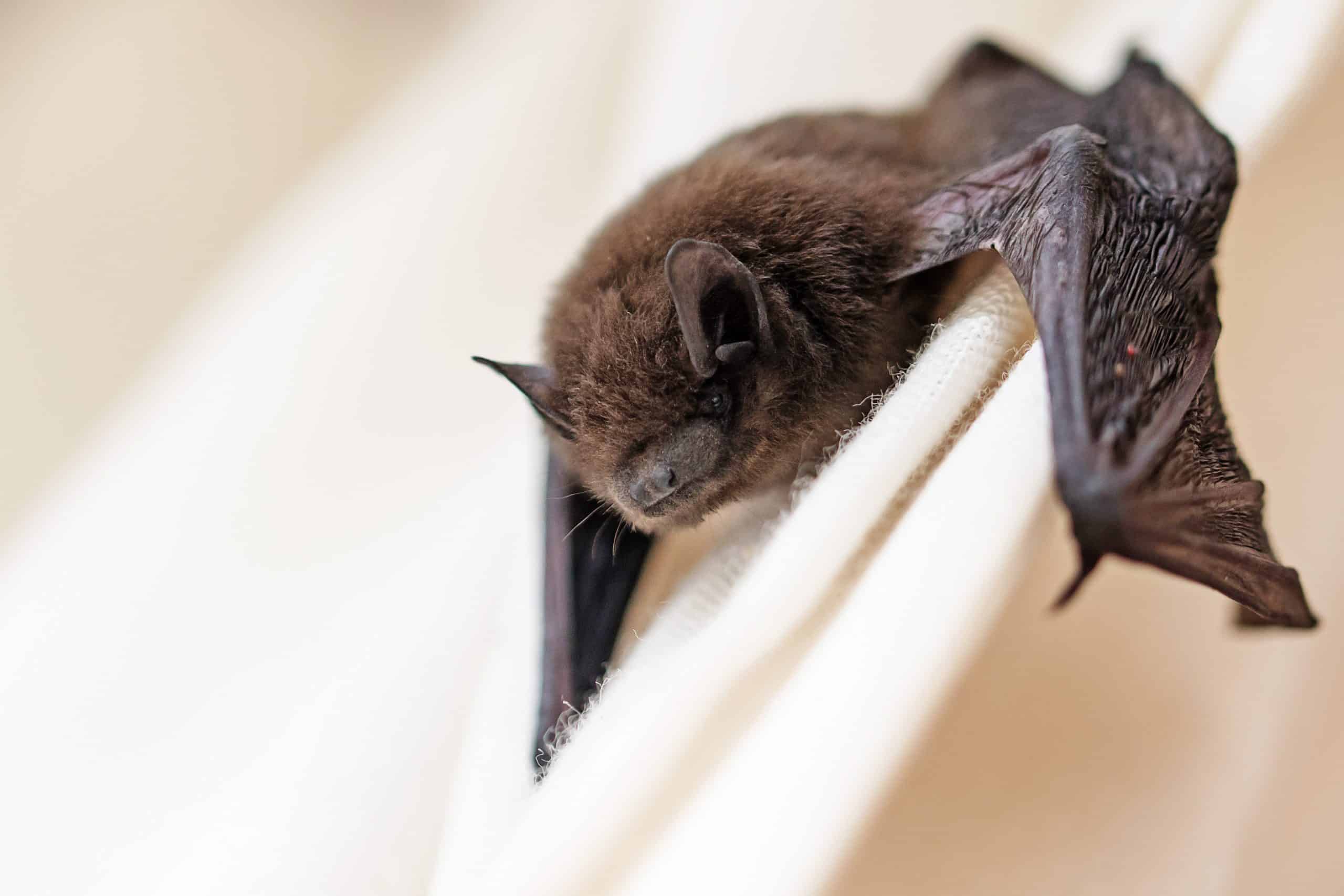
Professional Bat Removal Services in Michigan
Bats benefit our ecosystems, but they can cause massive problems for homeowners. If you’ve heard scratching in the attic and worry you have bats, it’s time to hire a professional wildlife technician.
Bats require professional attention, as attempts at bat removal can be dangerous for the untrained. With bats on the property, your home or business is at risk for disease and unpleasant smells, and the health of your guests is put in danger.
Creature Control offers safe and humane bat control and bat exclusion services. We also make sure that evicted pests don’t become a recurring problem. Contact us today for effective and safe solutions against bats in your home or business in Michigan.
Are There Bats in My Attic?
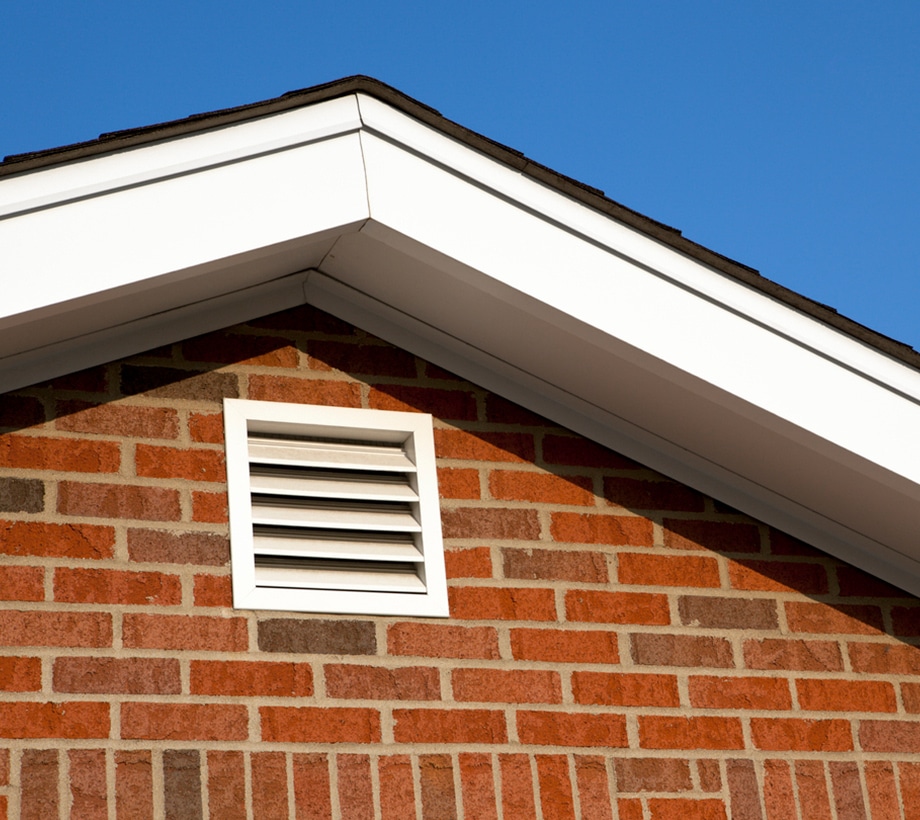
Bats prefer to make permanent homes in high-up places like attics, vents, and barns. It’s a common misconception that bats are migratory and won’t stay in a home long-term; when a bat takes up residence, they’re usually here to stay. Signs of bats include foul smells from bat guano and sounds of shuffling at night.
What Are the Common Spots for Bat Infestations?
- Attics: It’s common to find bats in the attic because this area provides ideal roosting spots that offer warmth, darkness, and isolation from activity.
- Chimneys: Unused or infrequently used chimneys offer shelter, making them a popular spot for bats to nest.
- Eaves & Soffits: Gaps or cracks in your home’s eaves and soffits provide easy access for bats to establish a roosting spot.
- Behind Shutters or Siding: Bats can squeeze into small gaps behind shutters, loose siding, or wall coverings for protection and shelter.
- Roof Vents: The openings of roof vents offer an easy entry point for bats, especially if the vent covers are damaged or missing.
- Basements & Crawl Spaces: Although less common, bats may roost in basements or crawl spaces if there are entry points and little human activity.
- Gaps in Brick or Stone Walls: Cracks or gaps in brick, stone walls, or masonry can become entry points for bats looking for a hidden spot to roost.
- Barns & Outbuildings: Detached structures like barns, sheds, and garages are also attractive to bats, offering quiet, dark spaces with minimal disturbances.
- Tree Hollows: In the outdoors, bats often roost in tree hollows, crevices, or under loose bark, especially if they are close to water sources or feeding areas.
- Gutters and Fascia Boards: Bats may nest behind gutters or fascia boards if they find small openings or loose sections that provide shelter.
Our Humane Bat Removal Strategy



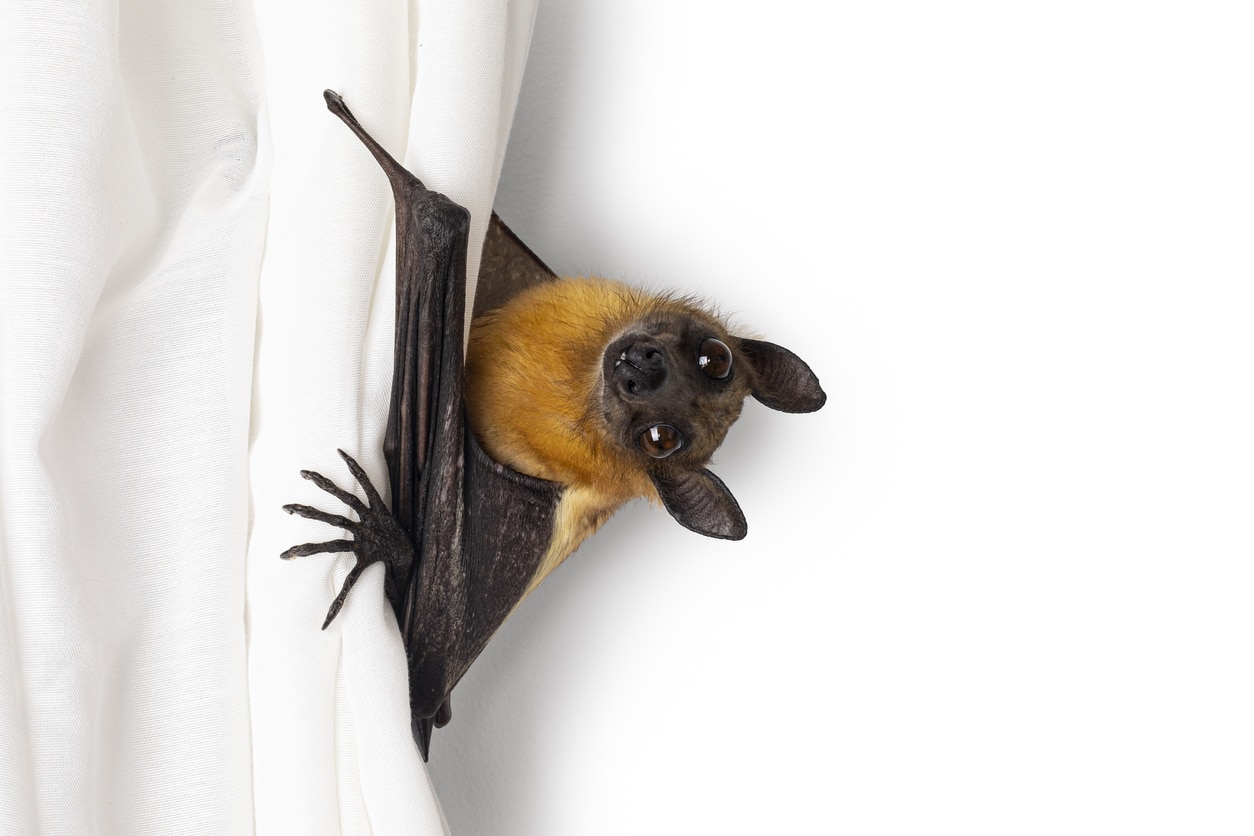
What Are the Top Signs of Bat Infestation and Bat Damage?
Common signs of bat damage and infestation include:
- Squeaking or Scratching Noises: Hearing high-pitched squeaks or scratching sounds, especially at night, may indicate bats are roosting in your attic or walls.
- Droppings (Guano) Accumulation: Piles of bat droppings (guano) near entry points, windowsills, or in the attic are a clear sign of an infestation.
- Stains Around Entry Points: Dark, greasy stains around small openings, vents, or cracks indicate frequent bat activity as they enter and exit your home.
- Unpleasant Odor: A strong, musty odor caused by bat droppings and urine can indicate a large or long-term infestation.
- Seeing Bats Flying Around Your Property: Frequently seeing bats flying near your home, especially around dusk or dawn, suggests they may be roosting nearby.
- Chirping or Fluttering Sounds: Hearing a fluttering noise, similar to wings flapping, could mean bats are moving around inside your attic or walls.
- Bite Marks or Scratches: Unexplained bite marks or scratches on pets or family members may indicate bat activity nearby.
- Presence of Dead Bats: Dead bats found inside or outside your home often suggest an active infestation somewhere on your property.
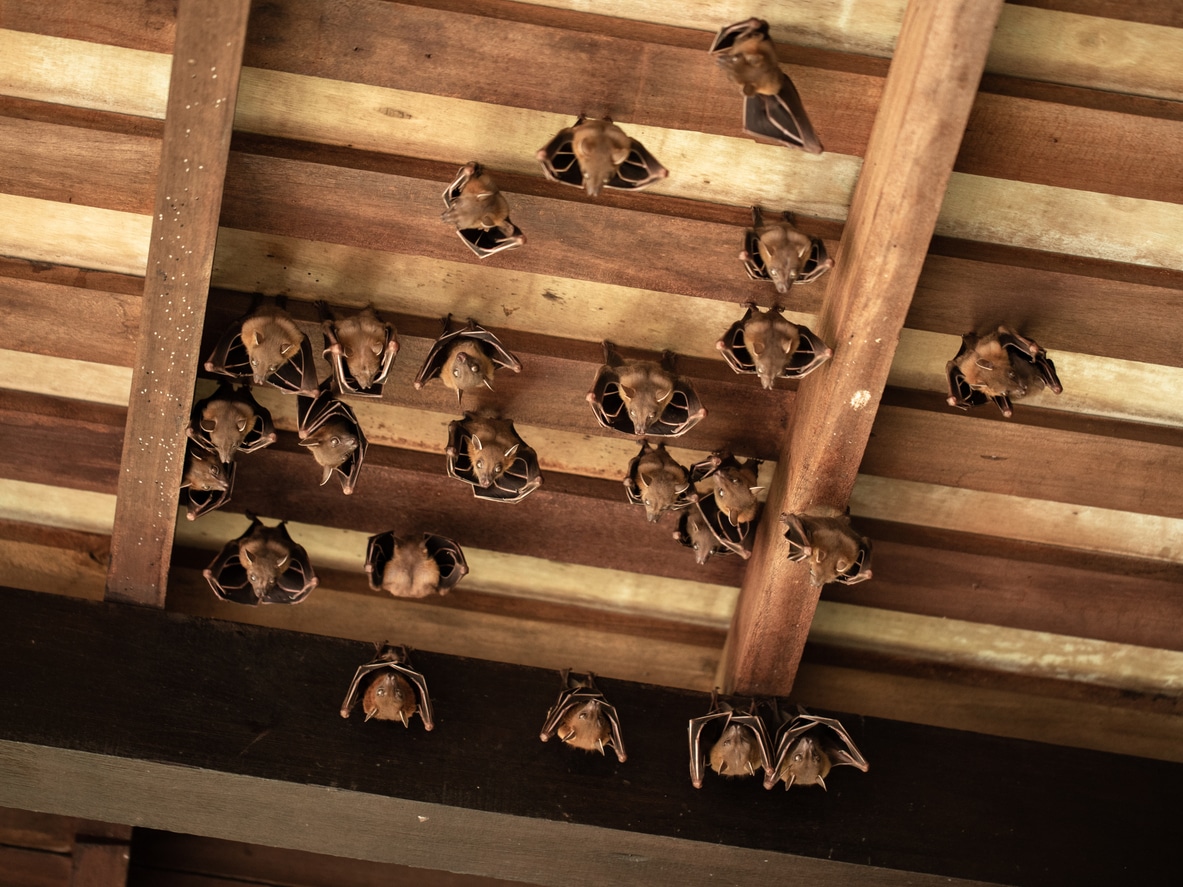
Top 5 Reasons Why You Should Remove Bats from Your Attic
If you discover bats in your attic, it’s important to act quickly. While bats play a vital role in the ecosystem, they can create serious health, safety, and structural concerns when roosting inside your home.
Here are the main reasons to address a bat infestation promptly:
- Health Risks from Guano: Bat droppings can accumulate quickly, leading to strong odors, contamination, and potential respiratory issues from airborne spores.
- Risk of Disease Exposure: Although rare, bats can carry rabies, and any direct contact increases the need for medical evaluation.
- Structural Damage: Large colonies can compress insulation, stain ceilings, and contribute to moisture problems in attics.
- Persistent Reinfestation: Bats often return to the same roosting site year after year if entry points are not professionally sealed.
- Increased Indoor Encounters: If bats find access to wall voids or living spaces, the likelihood of human or pet contact rises.
Professional bat removal ensures the colony exits safely and prevents future infestations. While installing bat houses away from your home can offer alternative roosting options, the most effective solution is humane exclusion and proper sealing performed by trained wildlife experts.
Answering Michigan’s Questions About Bat Removal
Humane bat removal is essential in Michigan because many Michigan bat species are protected by state and federal regulations. Using improper methods can harm local wildlife populations, create legal issues, and fail to solve the root cause of the infestation.
A proper bat control plan focuses on:
- Inspecting the home to identify all entry points used by bats
- Installing one-way exclusion devices so all the bats can exit safely
- Avoiding harmful traps or chemicals that are not approved for wildlife removal
- Sealing gaps and cracks through professional bat proofing
- Reducing contamination that may pose health risks to your family or domestic animals
- Preventing future infestations of unwanted animals
Professional wildlife removal ensures that nuisance wildlife is handled safely and responsibly.
DIY bat control is not recommended, especially in Michigan, where many bat species are protected. Improper bat removal can lead to legal issues, trapped bats inside walls, and increased health risks for your family and domestic animals.
- Health: Bat guano can pose health risks if disturbed. Professional cleanup, disinfection, and attic restoration help eliminate contamination and odors.
- Legality: Certain Michigan bat species require specific timing and legal compliance during removal. Failure to follow wildlife removal laws can result in penalties.
- Time and Money: Professional work mitigates future issues and expenses. After confirming the colony has exited, every gap, crack, and access point must be professionally sealed to prevent future bat control issues and reinfestation.
Our wildlife removal professionals are familiar with all US and Michigan bat species, including:
- Big Brown Bat: One of the most common species, with a 12-16 inch wingspan, glossy brown fur, and rounded ears. They often roost in buildings, attics, and under tree bark.
- Little Brown Bat: Smaller, with an 8-11 inch wingspan and glossy brown fur with a lighter belly. They prefer roosting near water in attics, barns, and hollow trees.
- Hoary Bat: Michigan’s largest bat, with a 14-16 inch wingspan and dark fur with white tips. They are solitary and roost in tree foliage.
- Eastern Red Bat: Reddish-orange in color, with an 11-13 inch wingspan, and found roosting in tree branches, blending in with leaves.
- Tri-Colored Bat: One of the smallest bats (8-10 inch wingspan) with tri-colored fur, often roosting in caves, tree hollows, and dead leaves.
- Silver-Haired Bat: With a 10-12 inch wingspan and dark brown or black fur with silver tips, they roost in forested areas, under loose bark, or in woodpiles.
The purpose of a check valve for bats is to ensure their safe and humane removal from your home by allowing them to exit but preventing re-entry. This process must be carefully timed, especially if there are juvenile bats involved. If installed too early in the season, usually before mid-August, juvenile bats that can’t fly yet might be trapped inside and starve if their mother can’t return.
Therefore, it’s best to complete bat exclusion work between April and June, or after mid-August, once young bats can leave the attic. If you have bats in your attic, contact Creature Control to install check valves at the appropriate time and minimize the risk of bats entering your living space, especially before the colder months.
Bat guano is the accumulation of bat feces. A buildup of bat guano can pose health concerns, along with creating additional pest problems. Cleaning bat guano without professional equipment can be ineffective and extremely dangerous.
Creature Control’s licensed and trained professionals provide bat removal and cleanup services to get rid of bats with human solutions and address health risks caused by nuisance wildlife. If you think you have a bat colony, get help from our wildlife technicians today!
Got Bats? Contact a Professional Humane Bat Control Company in Michigan Today!
If you’ve got bats living in your attic or home, don’t wait—contact Creature Control, Michigan’s No. 1 professional pest control company, today! Our team provides humane bat removal services, ensuring your home is bat-free and protected while also offering tips and advice to prevent future infestations.
Check out our FAQ page for the answers to any of your questions, then reach out for a quick and reliable solution!