
House Mice Removal Company in Troy, MI
Troy Mice Removal: Protect Your Home with Expert Rodent Control
Troy’s well-established neighborhoods are full of beautiful suburban character, from Raintree Village and Charnwood Hills to older commercial areas around Big Beaver Road and Maple Road. Unfortunately, these same charming spaces can also invite mouse infestations. Small gaps in older foundations, loose vents, and unsealed utility lines make it easy for mice to slip into living spaces like walls, attics, basements, and crawl spaces.
Homeowners and business owners often don’t realize they have a problem until they start noticing signs of mice damage, such as droppings, gnaw marks, or scratching sounds inside their property. By then, the issue has likely spread through several areas of the building.
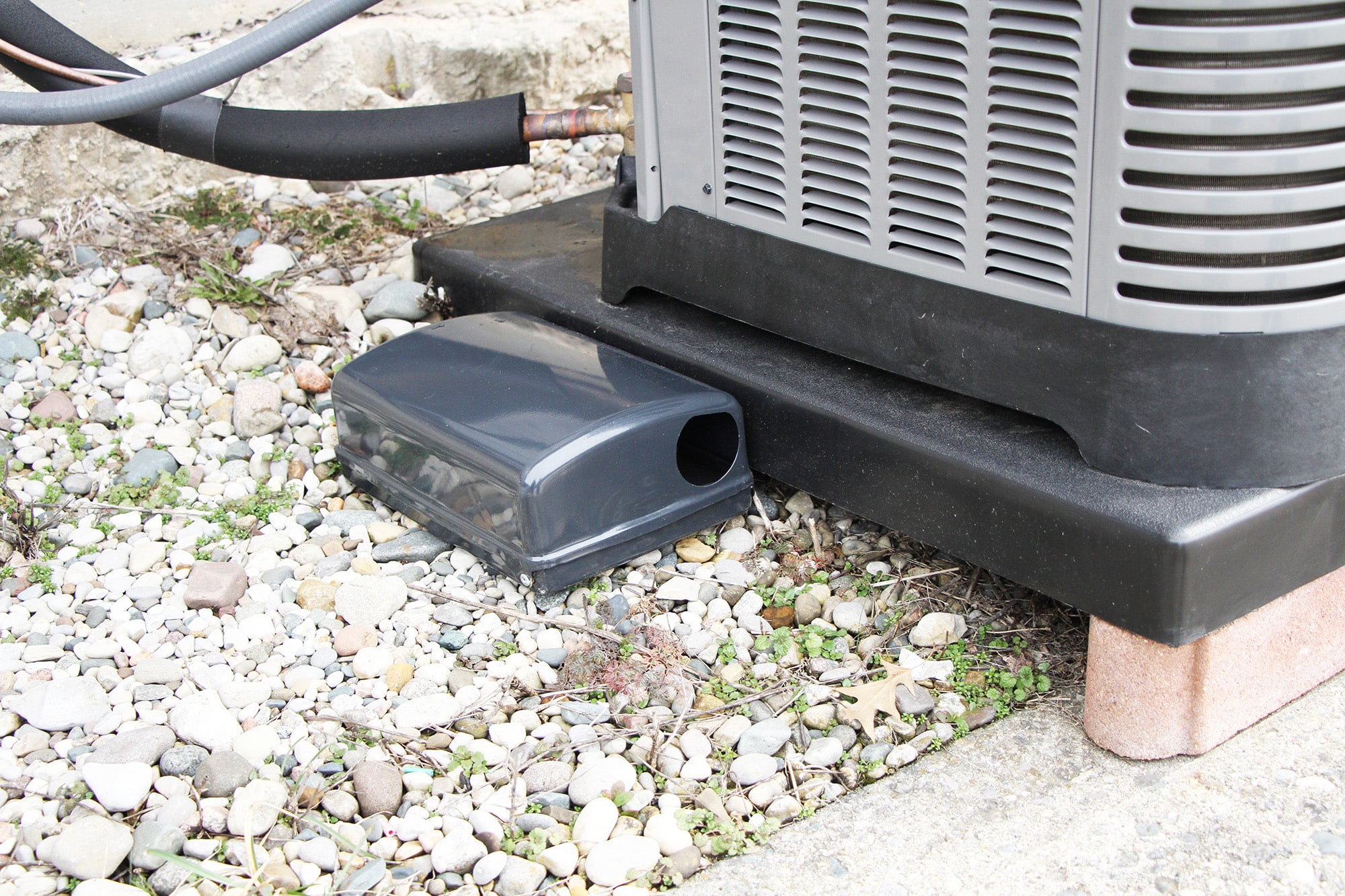
Creature Control provides professional rodent removal services across Troy. Our licensed technicians deliver discreet, effective service for residential and commercial properties alike. We locate and seal mouse entry points, install bait stations, and perform complete cleanup to remove droppings, odors, and evidence of mice damage, restoring safety and comfort to your living spaces.
Recognizing Signs of a Mice Infestation in Troy Properties
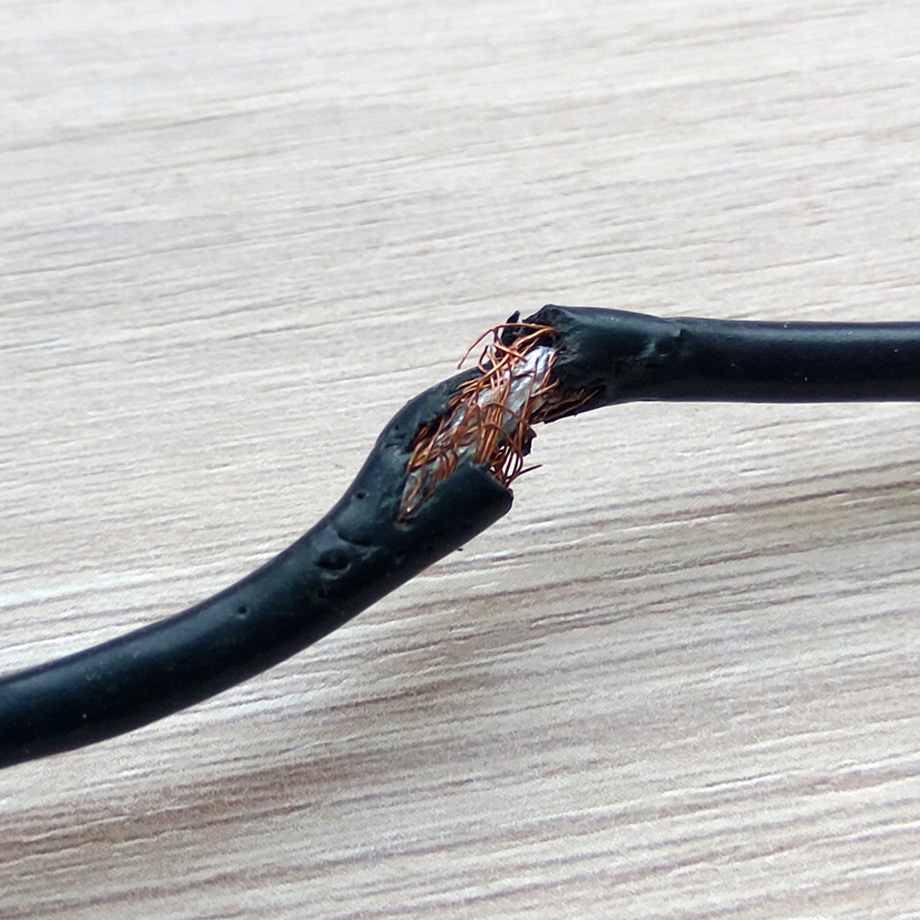
The most common signs of mice in Troy homes and businesses include mouse droppings, gnaw marks, nests, scratching sounds, grease stains, and foul odors. Spotting these early helps you call a local rodent removal company before rodent problems spread into multiple living spaces.
Why this matters: Rodents reproduce quickly. Ignoring the signs can lead to serious damage, expensive repairs, and potential health risks for your family or tenants. If you notice any of these, it’s likely time to call a professional for mouse removal in Troy.
Why You Want a Professional to Get Rid of Mice in Troy
Protecting Troy homes and businesses means tackling mice quickly before they cause costly damage or create health risks. Choosing professional mouse control makes sure the problem is handled safely, effectively, and for the long term.
Top reasons to rid your home of mice:
- Health Risks: Mouse droppings, urine, and contaminated food can spread illness, which is especially concerning for families, children, and rental properties near local schools or business districts.
- Property Damage: Mice chew through electrical wiring, insulation, and wood, often leading to costly repairs and potential fire hazards in older Troy homes and commercial buildings.
- Food & Pet Safety: Mice frequently target stored food and pet supplies, contaminating kitchen and pantry spaces if not addressed quickly.
- Fast Reproduction: A small mouse issue can grow fast. Mice build nests from shredded fabric, insulation, and paper, multiplying in hidden areas such as basements and attics.
- Hidden Access Points: Mice can enter through tiny cracks in foundations, vents, or utility openings, which are common in Troy’s older neighborhoods and rental properties. Professional mouse control is essential to find and seal these access points.
Why this matters: Even a minor infestation can escalate quickly if left untreated. Acting early with help from a trusted Troy pest control expert protects your living spaces, your health, and your peace of mind.
Why Rodent Control Still Matters
Ring Around the Rosie Reminders
Centuries ago, mice and rats alongside the fleas they carried helped spread the Black Death, a pandemic fueled by overcrowding, poor sanitation, and unchecked rodent activity. A history often (though inaccurately) tied to the rhyme “Ring Around the Rosie.”
While Troy no longer faces those conditions, the lesson remains: rodents can pose significant risks through contamination, allergens, and property damage, making professional pest control essential for keeping modern homes and businesses safe.
What Attracts Mice & How to Prevent Infestations in Troy Homes
Accessible food, crumbs, and clutter are the main reasons mice move into Troy homes and businesses. Unsealed food packaging, pet food bowls, and dripping pipes provide food and water, making your property especially inviting to mice.
Preventative measures include:
- Store food in airtight containers to eliminate easy access points.
- Seal gaps, cracks, and utility openings where mice might enter.
- Clean up crumbs, spills, and clutter right away to remove food sources.
- Inspect your home regularly for mouse droppings, chew marks, or entry points.
- Act quickly if you see signs of activity to prevent rodent problems from turning into costly rodent damage, structural damage, or health risks.
Why this matters: If you notice any warning signs of a rodent infestation in your Troy property, contact a local mouse control expert to protect your home or business and stop further damage before it spreads.
Troy Rodent Control FAQs
House mice and Norway rats are the primary rodent species in Troy, Michigan, and while both fall under rodent control, they are not treated the same way because each species behaves differently and requires a tailored approach.
Common rodent species in Troy, MI:
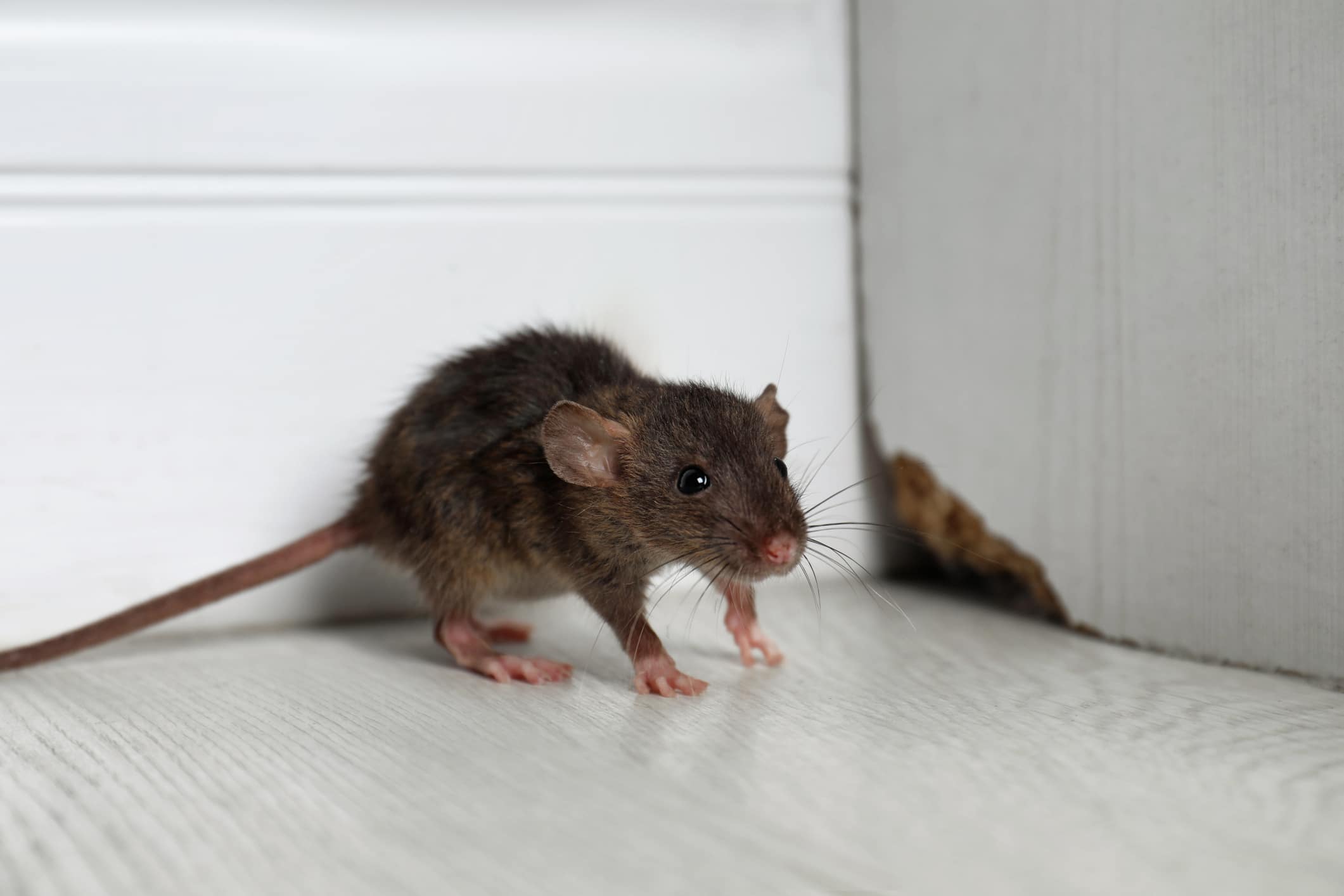
- House Mouse (Mus Musculus): Small, gray-brown rodents that enter homes through tiny openings and nest in walls, attics, and storage areas.
- Norway Rat (Brown Rat): Larger, burrowing rodents that live near buildings, sewers, and basements, often attracted by food waste.
- Deer Mouse (White-Footed Mouse): Found more in rural or wooded edges of Troy; less common indoors but still present locally.
Why they’re so common:
- Seasonal Behavior: Cold Michigan winters drive rodents indoors for warmth.
- Urban Structure: Troy’s mix of older homes, landscaping, and food sources supports rodent activity.
- Access Points: Cracks, gaps, and cluttered storage areas provide ideal nesting spaces.
Why this matters: Proper identification is crucial because each rodent requires a different approach—rats typically need exterior work, while mice necessitate interior sealing and trapping. Creature Control can pinpoint the species and deliver the right plan to eliminate it at the source.
Yes. Reducing access to nesting materials is an effective way to discourage rats and mice from settling indoors. When rodents can’t find soft or insulated items to build nests, they’re less likely to stay and reproduce.
How to limit nesting materials:
- Declutter Storage Areas: Remove cardboard boxes, fabric scraps, paper, and insulation that rodents could shred for nesting.
- Use Sealed Containers: Store items in plastic bins with tight-fitting lids instead of open containers or cardboard boxes.
- Maintain Cleanliness: Regularly vacuum and organize attics, basements, and garages to remove potential nesting debris. This will also help you catch early signs of rodent activity.
- Secure Outdoor Materials: Keep firewood, compost, and garden supplies off the ground and away from structures.
Why this matters: By eliminating soft nesting materials, you make your home less appealing to rodents, complementing other prevention methods like sealing entry points and removing food sources.
Yes. Mouse infestations are more common in winter as cold weather drives rodents indoors for warmth, food, and shelter. Troy’s freezing temperatures make homes, garages, and businesses ideal nesting spots during this season.
Main reasons mice invade homes in winter:
- Temperature Drop: Mice seek warm indoor spaces when outdoor food and shelter become scarce.
- Indoor Food Availability: Kitchens, pantries, and pet food areas attract hungry rodents.
- Structural Access: Small gaps in foundations, vents, or siding provide easy entry points.
- Breeding Behavior: Mice continue reproducing year-round, so even a small winter incursion can quickly multiply.
Why this matters: Understanding seasonal patterns helps homeowners in Troy prepare early, preventing infestations before they start.
A bait station is a secure, tamper-resistant container that holds rodent bait to safely attract and eliminate mice, and it is typically used after exclusion work and sanitation are completed. It protects the bait from weather, pets, and children while keeping it accessible to rodents.
How bait stations work:
- Contain professional-grade rodenticide or attractant bait: Mice enter through small openings to feed on the bait inside.
- Provide targeted control: Stations are placed along walls, near burrows, or behind appliances where mouse activity is observed.
- Improved safety: Locked designs prevent accidental contact with toxic bait by humans or non-target animals.
- Support long-term prevention: When maintained properly, they help reduce populations and monitor ongoing activity.
Why this matters: Bait stations allow for effective, controlled rodent management—especially in homes or businesses where safety and hygiene are top priorities.
You can prevent mice and rats from entering your home by sealing entry points, maintaining cleanliness, and removing food and nesting sources. Consistent prevention measures greatly reduce the risk of infestations in Troy’s seasonal climate.
Effective rodent prevention tips:
- Seal Gaps & Cracks: Use steel wool, caulk, or metal mesh to block holes around foundations, pipes, vents, and utility lines.
- Eliminate Food Sources: Store pantry goods in airtight containers and clean up crumbs or spills promptly.
- Reduce Clutter: Keep storage areas organized and off the floor to limit nesting options.
- Maintain Outdoor Areas: Trim vegetation near the foundation, secure trash bins, and move firewood at least 20 feet from your home.
- Inspect Regularly: Check basements, attics, and garages for droppings, gnaw marks, or chewed materials.
Why this matters: Preventive maintenance not only stops rodents from entering but also reduces potential property damage and health risks associated with infestations.
Contact Troy’s Trusted Rodent Control Experts
Rodents in your Troy home or business can do more than startle you; they can spread disease, gnaw through wiring, and ruin insulation, leading to unsafe conditions and costly damage.
Our licensed technicians utilize proven, science-backed rodent control methods to eliminate active infestations and prevent them from recurring. We carefully inspect basements, attics, garages, and utility access points common in Troy properties, then seal entry gaps and provide professional cleanup to ensure long-term protection.
As a Michigan-based pest and wildlife control company, we understand how Troy’s mix of older homes and newer developments affects rodent behavior. We tailor our plans accordingly, whether you live in a mid-century home near Big Beaver Road or a modern townhouse close to the Somerset Collection. Our rodent control services are customized for Troy’s mix of housing styles and Southeast Michigan’s variable climate.