

House Mice Removal Company in Brighton, MI
Supporting a Cleaner, Safer Brighton
House mice are a common problem in Brighton, especially when temperatures drop and they start looking for warmth. It only takes a tiny gap around a door, garage, vent, or utility line for mice to get inside and disappear into quiet areas of the home. Once they settle in, they can contaminate surfaces, chew materials, and multiply quickly.
Brighton homes and buildings often have the perfect mix of shelter and food sources, which makes early action important. If you are hearing scratching at night, spotting droppings in storage areas, or finding chewed packaging, it may be time to bring in a professional.
Creature Control provides rodent removal services throughout Brighton. Our licensed technicians locate active areas, identify how mice are getting in, remove the mice, and seal off entry points to help prevent repeat activity. We also address droppings and contamination when needed, so your space feels clean and comfortable again.

Top Signs of a Mouse Infestation in Brighton
Mouse activity in Brighton often starts quietly. You might not see a mouse at all, but the clues show up in the same repeat places as they forage and move around at night. Catching those early signs can help you avoid bigger messes, stronger odors, and more widespread activity throughout the property.
Why this matters: Mouse problems rarely stay small. Mice reproduce year-round, and hidden nesting areas allow activity to grow without obvious warning. Taking action early helps reduce contamination, limit damage, and prevent the infestation from spreading throughout your Brighton home or building.
If you are noticing any of these warning signs, it may be time to contact a professional for mice removal in Brighton.
How Mice Get Into Brighton Homes & What You Can Do
Mice don’t ‘break in’ like a burglar. They sneak in like a draft. A tiny gap at a garage corner, a worn door sweep, or a loose opening around a vent is enough for a mouse to slip inside and vanish into the quiet parts of the house. From there, they follow edges, tuck into storage zones, and set up shop close to easy food and water.
A mouse is basically a tiny opportunist. If it finds snacks, crumbs, pet food, or even a slow drip under a sink, it has a reason to come back again and again.
Ways to help prevent a mouse infestation:
- Store pantry items and pet food in sealed, hard containers.
- Clean crumbs where they hide, like under appliances and along baseboards.
- Bring pet bowls in at night and keep feeding areas tidy.
- Seal openings around pipes, vents, and utility lines outside the home.
- Replace worn door sweeps and tighten gaps at the garage door edges.
- Reduce hiding spots by organizing storage and cutting back on cardboard piles.
- Watch for early clues like droppings, chew marks, or scratching sounds.
Why This Matters: Mice reproduce quickly and settle in fast once they feel safe indoors. If you catch the issue early, it’s much easier to remove the mice and stop repeat activity.
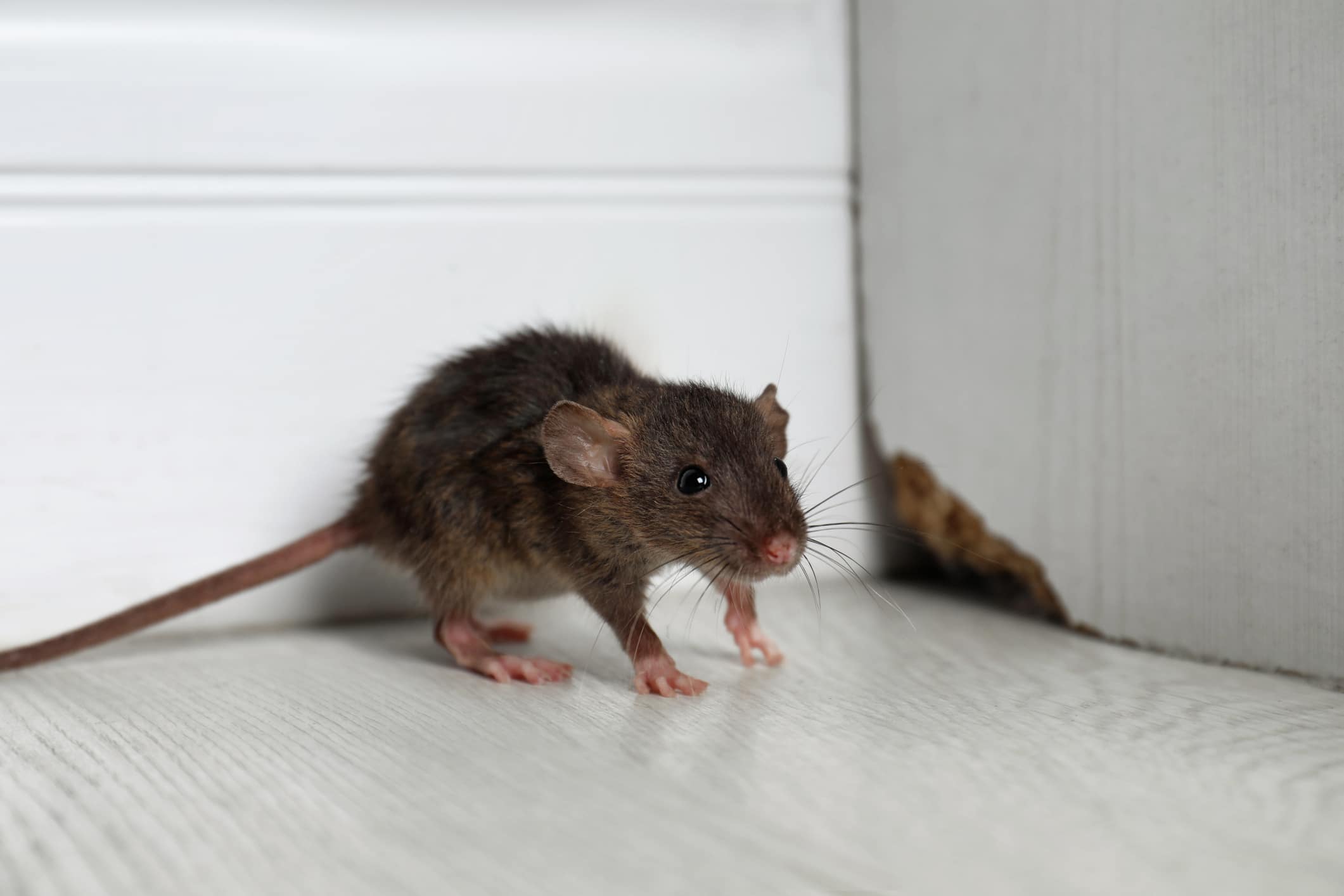
Why You Want to Get Rid of Mice in Brighton
If mice are active in your home or building, the real issue is not just seeing a mouse. It’s what comes with the activity you do not see. Mice move through kitchens, storage areas, and utility spaces, leaving contamination behind as they search for food and nesting spots. They also chew as they travel, which is where the bigger risks start to show up.
Here’s what mouse activity can lead to:
- Contaminated Living & Work Areas: Droppings and urine can end up in cabinets, drawers, pantries, and storage spaces. Even low activity can create cleanup and sanitation concerns.
- Ongoing Noise & Disruption: Scratching in walls and ceilings, especially overnight, is a common complaint once mice settle into hidden areas.
- Chewing That Creates Safety Issues: Mice chew wiring, plastic, and building materials. This can lead to electrical problems, damaged insulation, and avoidable repair costs.
- Food Loss & Repeated Messes: Mice tear into boxed and bagged food, then return to the same supply night after night if access is not removed.
- A Problem That Spreads Beyond One Room: Mice do not stay in the place you spot them. They travel along edges and voids, then expand into adjacent rooms and levels.
- Hard-to-Find Entry Routes: Entry often starts at the exterior with small gaps around doors, utility lines, vents, and low-level openings that are easy to overlook.
Why This Matters: Waiting usually makes the job harder. The earlier mice are removed and entry points are addressed, the easier it is to stop the activity and prevent them from returning.
Why Rodent Control Still Matters
A mouse inside your Brighton home is not just a one-time surprise. It usually means mice or rats have found a safe route and started using your space like a shortcut. They run along baseboards, behind appliances, through storage areas, and inside walls, leaving droppings and urine behind as they go. Over time, that creates sanitation concerns in the exact places your family eats, stores food, and lives day to day.
These sanitation concerns also bring health risks into the picture. Mice and rats can contaminate surfaces and food, and their droppings and nesting materials can affect indoor air quality. Parasites linked to rodents can add another concern, especially in areas where pets spend time. Even clean, well-kept Brighton properties can deal with these issues once rodents are active indoors.
The smartest move is early action. Removing rodents quickly and sealing entry points helps cut down contamination, reduce damage, and prevent repeat activity.
Brighton Rodent Control FAQs
Yes, they can. Plastic bins feel ‘secure,’ but to a mouse, they’re more like a speed bump than a wall. Mice chew to keep their teeth worn down, and if they smell food, pet treats, bird seed, or even something that once held food, they may gnaw right through a tote to get to it.
In Brighton homes, this comes up a lot in garages, basements, and storage rooms where bins are stacked and rarely moved. If a tote is thin plastic, has a slightly flexible lid, or has a gap at the corners, it’s even easier for mice to work at it.
How to make storage mouse-resistant:
- Use thicker, hard-sided bins with tight, locking lids.
- Avoid storing food items in plastic totes, including pet food and bird seed.
- Keep bins off the floor when possible, especially along walls.
- Reduce ‘smell cues’ by wiping containers that once held food.
- For high-risk items, switch to metal containers with tight-fitting lids.
Stopping mice from coming back is all about cutting off their second chance. Once mice have been removed, the goal is to make the home feel uninviting and inaccessible so there’s no reason to return.
Start on the outside. Seal gaps around doors, garage corners, vents, utility lines, and foundation openings. Even small spaces matter, since mice can fit through very tight openings. Replacing worn door sweeps and tightening up garage door edges goes a long way.
Inside the home, focus on consistency. Store food and pet food in sealed containers, clean crumbs from under appliances, and avoid leaving food out overnight. Keep storage areas organized and reduce cardboard, which mice love to nest in.
Regular checks help too. Spotting new droppings, chew marks, or sounds early makes it easier to stop activity before it starts again. In Brighton homes, prevention works best when entry points and food sources are addressed together.
Mice are drawn to places where food smells linger and access is easy. Kitchens and pantries are obvious targets because they offer crumbs, boxed food, pet bowls, and trash. Even small spills behind appliances or inside cabinets are enough to keep mice coming back night after night.
Garages are just as appealing, especially in Brighton. Pet food, bird seed, grass seed, and bulk storage items are often kept there, sometimes in bags or thin containers. Garages also tend to have more gaps around doors and walls, making them an easy entry point that connects directly to the house.
Moisture plays a role, too. A slow drip under a sink, condensation near appliances, or even a water bowl left out overnight gives mice one more reason to stay. When food, shelter, and water line up in one place, mice don’t need to look anywhere else.
Mice look for spots that are quiet, warm, and rarely disturbed. In Brighton homes, nesting almost always happens out of sight. Walls, ceilings, and attic spaces are favorites because they offer protection and easy travel routes from room to room.
Basements, crawl spaces, and storage areas are also common nesting zones, especially when boxes, insulation, or stored items give mice something soft to build with. Garages can become nesting areas too, particularly in corners, behind stored items, or inside wall voids near the house connection.
Mice build nests using whatever they can shred. Paper, fabric, insulation, cardboard, and dryer lint all end up packed together into a hidden bundle. If mice feel safe and close to food, they will stay put and expand their activity outward.
The quickest way is to look at size, droppings, and behavior. Even without seeing the animal, the clues they leave behind usually point to one or the other.
Size & Shape
- Mice: Small body, slim build, big ears, pointier nose.
- Rats: Much larger, heavier body, thicker tail, blunt nose.
Droppings
- Mouse droppings: Small, rice-sized pellets with pointed ends.
- Rat droppings: Larger, thicker pellets, more like a big bean or capsule.
Damage Style
- Mice: Light gnawing, small holes, shredded paper or insulation for nests.
- Rats: More aggressive chewing, larger gnaw marks, and more serious damage to plastic, wood, and stored items.
Sounds & Movement
- Mice: Soft scratching, quick little scurries, mostly at night.
- Rats: Louder thumps or heavier movement, especially in walls, ceilings, or attics.
Where You Notice Activity
- Mice: Commonly show up in kitchens, pantries, and near stored food.
- Rats: Often connected to lower-level entry areas first, then move inward if conditions allow.
Contact Brighton’s Trusted Rodent Control Experts
Rodent activity in your Brighton home or business can escalate quickly. Mice and rats can contaminate food areas, chew wiring, damage insulation, and tear into stored items. The longer they stay active, the more cleanup and repairs you may be dealing with.
Our licensed technicians provide professional rodent control tailored to Brighton properties. We begin with a thorough inspection to identify where rodents are active, where they may be nesting, and how they are getting inside.
From there, we remove the rodents, close off entry points, and share clear steps that help reduce attractants around your property. If droppings or contaminated areas are present, we can also address those concerns so your space feels clean and comfortable again.
For reliable rodent control in Brighton, MI, contact our team today.