

House Mice Removal Company in Grass Lake, MI
Mice Belong in Grassy Fields, Not Your Grass Lake Home
Grass Lake homes have a lot of character, from older village houses to places surrounded by trees and open land. That same setting can make it easy for mice to slip inside through small gaps around foundations, vents, and utility lines.
Once indoors, mice head straight for warm, quiet spots like basements, attics, walls, and storage areas. They chew, contaminate, and multiply quickly if the mouse infestation is not handled early.
Creature Control provides professional rodent removal services throughout Grass Lake. Our licensed technicians find where mice are getting in, stop the access points, remove active mice, and clean up droppings and contamination. We work with homeowners, landlords, and local businesses to restore comfort and keep mice from coming back.
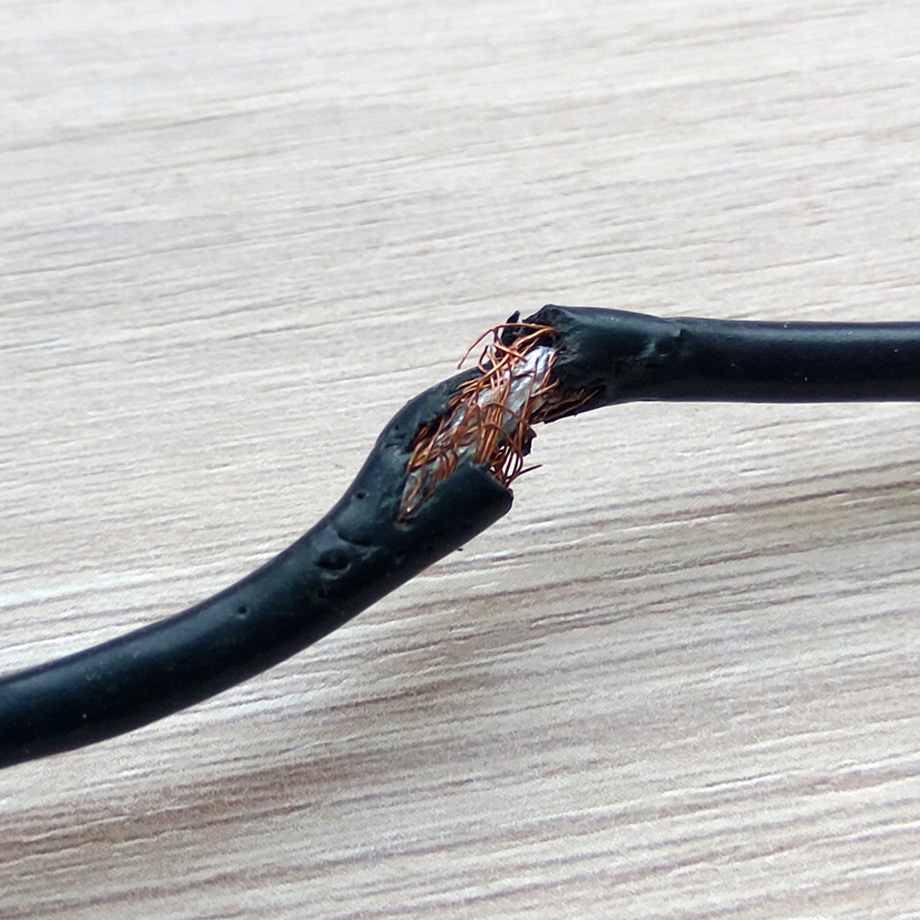
Top Signs of a Mouse Infestation in Grass Lake Homes & Buildings
Mice tend to stay out of sight once they get indoors, which is why infestations often go unnoticed at first. In Grass Lake homes and businesses, recognizing the signs early can make a big difference in limiting mice damage and disruption.
Why this matters: Mice reproduce year-round, and a small mouse infestation can grow quickly if left untreated. Early signs often mean mice are already established. Addressing the problem right away helps prevent further damage from mice, costly repairs, and health concerns for families, tenants, or employees.
If you are noticing any of these warning signs, it may be time to contact a professional for mice removal in Grass Lake.
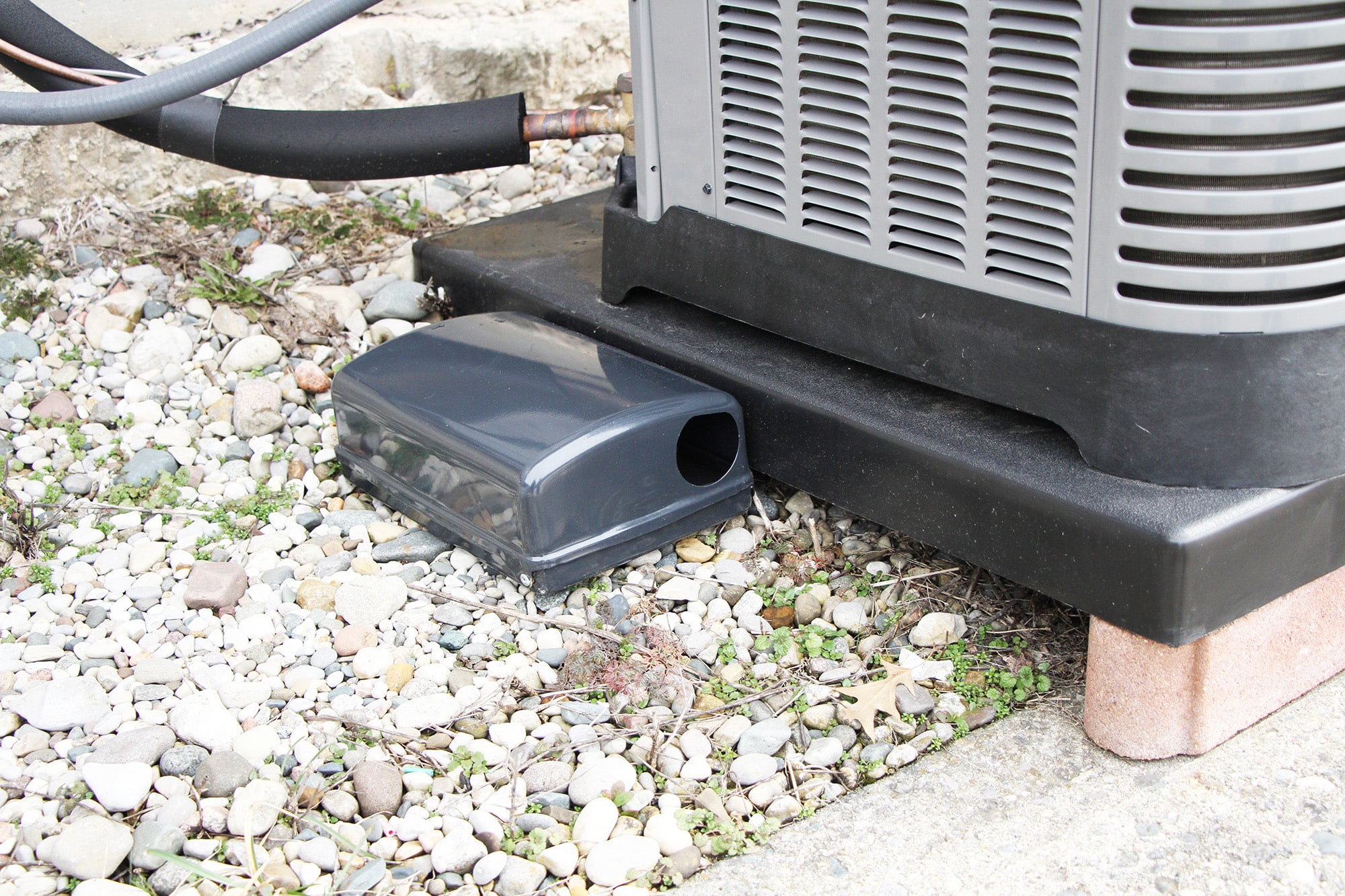
How Mice End Up Indoors & What Grass Lake Residents Can Do
Mice are drawn to easy food, water, and quiet shelter. In Grass Lake homes, things like open food containers, crumbs left behind, pet bowls overnight, and even minor plumbing leaks can make a property far more appealing to rodents. Once mice find a steady food source, they tend to stick around, and the risk of ongoing damage increases.
Ways to prevent a mouse infestation:
- Store food in airtight containers to cut off easy access in kitchens, pantries, and basements.
- Seal gaps, cracks, and utility openings, especially around older foundations, porch additions, and entry points common in Grass Lake homes.
- Clean up crumbs, spills, and clutter so mice have fewer food sources and nesting materials.
- Limit nesting areas by keeping attics, basements, and storage spaces clean and organized.
- Check your home regularly for droppings, chew marks, or new openings before serious mouse damage develops.
- Act quickly at the first sign of activity so a professional rodent removal or pest control service can stop the problem before it spreads.
Why this matters: Mice reproduce quickly, and small problems can grow fast if ignored. If you notice signs of mice or rodent activity around your property, contacting a local pest control or rodent removal company is the best way to stop the infestation early and prevent further damage.
Why You Want to Get Rid of Mice in Grass Lake
Protecting homes and businesses in Grass Lake means addressing mice early, before they create health risks or lead to costly damage. With a mix of older homes, rural properties, and small commercial buildings throughout the area, professional mouse control makes sure the issue is handled safely and prevents recurring infestations.
Top reasons to rid your home of mice:
- Health Risks: Mouse droppings, urine, and contaminated surfaces can spread illness. This is especially concerning for families, landlords, and local businesses, where people may not notice early signs right away.
- Property Damage: Mice chew through electrical wiring, insulation, ductwork, and wood framing. In older Grass Lake homes, barns, and commercial buildings, this damage can result in expensive repairs and increased fire risk if left untreated.
- Food & Pet Safety: Mice target stored food, pet food, and pantry items, contaminating kitchens, cabinets, and storage areas. This is common in homes with basements, attached garages, or outbuildings used for storage.
- Fast Reproduction: A small mouse problem can grow quickly. Mice build nests from insulation, paper, and fabric and spread through attics, basements, crawl spaces, and wall voids found in many Grass Lake properties.
Hidden Access Points: Tiny foundation cracks, gaps around utility lines, loose vents, and worn door seals are common entry points, especially in rural and older structures throughout the Grass Lake area.
Why this matters: Even a minor infestation can escalate rapidly if ignored. Acting early with help from a trusted Grass Lake pest control professional helps protect your property, your health, and your peace of mind.
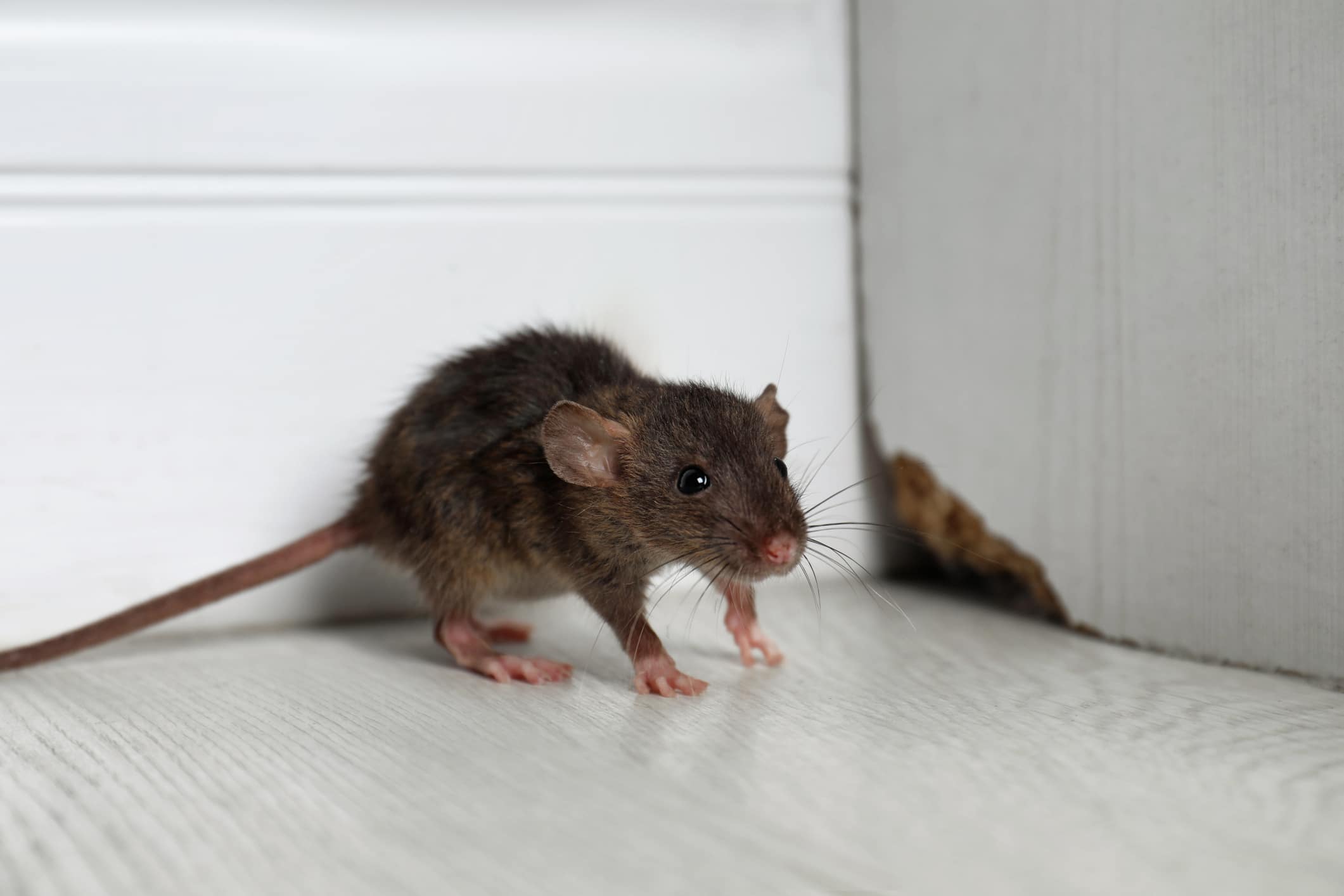
Why Rodent Control Still Matters
Throughout history, mice and rats have played a role in spreading serious illnesses. Diseases like typhus, leptospirosis, salmonella, hantavirus, and rat-bite fever have all been linked to rodents through droppings, urine, saliva, parasites, or contaminated food and surfaces. These risks did not disappear just because homes became cleaner or more modern.
Although we do not live the way people did centuries ago, the health lessons about rodents still apply today. The past made one thing clear: when mice are left unchecked, the consequences add up. Taking action early is the easiest way to keep that from happening.
Grass Lake Rodent Control FAQs
A bait station is a secured, tamper-resistant container used as part of a professional mouse control plan. After entry points are sealed and basic sanitation is addressed, bait stations help reduce remaining mouse activity in a safe and controlled way.
How bait stations function:
- Hold Professional-Grade Bait: Mice enter the station through small openings and feed on bait placed safely inside the unit.
- Placed in Active Areas: Stations are positioned along walls, near corners, behind appliances, or anywhere mice are known to travel.
- Improve Safety: The locked design keeps children, pets, and non-target animals from coming into contact with the bait.
- Support Ongoing Monitoring: Technicians check stations regularly to track activity levels and adjust the control plan as needed.
Why it’s useful: Bait stations provide a discreet, effective way to manage mouse populations while maintaining safety, cleanliness, and long-term control in both Grass Lake homes and businesses.
Grass Lake properties most often deal with house mice and rats, along with a smaller number of deer mice in homes near wooded areas or open land. These rodents adapt well to older homes, quiet neighborhoods, and warm indoor spaces, especially once colder weather sets in.
Rodents commonly found in Grass Lake include:
- House Mouse (Mus musculus): Small gray or brown mice that can squeeze through very small openings and easily climb into walls, attics, basements, and storage areas. Their fast breeding and ability to stay hidden make interior control and entry point sealing especially important.
- Norway Rat (Brown Rat): Larger, heavy-bodied rats that tend to burrow around foundations, crawl spaces, and basement walls. They are strong chewers and tunnelers, which means effective control often focuses on exterior conditions and reinforced exclusion.
- Deer Mouse (White-Footed Mouse): Small brown mice with white feet and undersides, commonly found near wooded edges, sheds, garages, and rural-style properties around Grass Lake. They travel longer distances and often nest in stored items, which makes careful inspection and safe handling important.
Why rodents thrive in Grass Lake: Cold winters, aging construction, and small gaps around foundations, vents, and utility lines give rodents easy access indoors. Identifying which species is present helps determine the most effective control strategy and prevents repeat problems.
DIY traps and over-the-counter products may reduce mouse activity temporarily, but they rarely solve the entire problem. Traps only address the mice you see and do not stop new ones from entering. Without sealing entry points, removing nesting areas, and addressing exterior conditions, mice often return.
In Grass Lake, small gaps in foundations, siding, vents, and utility lines are common, especially in older homes. Professional mouse control focuses on identifying how mice are getting inside, removing active rodents, and preventing future access, which helps stop repeat infestations rather than providing short-term relief.
Yes. Mouse infestations tend to increase during the winter months as colder weather drives rodents indoors. When Grass Lake temperatures drop, homes, garages, sheds, and businesses become warm, quiet places for mice to nest and find food.
As snow and freezing conditions limit outdoor shelter, mice look for steady heat and easy access to kitchens, storage areas, and pet food. Once inside, they can move quickly through walls, basements, attics, and crawl spaces, often without being noticed right away.
Main reasons mice invade homes in winter:
- Cold temperatures reduce outdoor shelter and food, forcing mice to seek warmth indoors.
- Indoor food sources, including pantries, trash areas, and pet food, attract active mice.
- Small gaps in foundations, siding, vents, and utility lines provide easy entry points.
- Year-round breeding means even a small winter entry can turn into a larger infestation if left untreated.
Why this matters: Understanding seasonal mouse activity helps Grass Lake homeowners and businesses take preventive steps before winter arrives, reducing the chances of indoor infestations during the coldest months.
Mice are very good at staying out of sight, often nesting inside walls, attics, basements, and crawl spaces where damage can build up unnoticed. While hidden, they chew on electrical wiring, insulation, drywall, wood framing, and stored belongings. They also leave behind droppings and urine that contaminate surfaces and affect air quality.
In many Grass Lake homes with older construction, plaster walls, or aging utility lines, mice can move freely between spaces, allowing this type of damage to spread long before visible signs appear. Addressing the issue early helps limit repairs and reduces health concerns tied to prolonged rodent activity.
Contact Grass Lake’s Trusted Rodent Control Experts
Rodents in your Grass Lake home or business can spread disease, chew wiring, and damage insulation. These issues lead to unsafe conditions and costly repairs.
Our licensed technicians use proven methods to remove infestations and prevent new activity. We inspect basements, attics, crawl spaces, garages, and utility gaps common in Grass Lake while sealing entry points and providing professional cleanup for lasting protection.
For reliable rodent control tailored to Grass Lake homes, contact our team today.